Aircraft Valuation: What Determines Market Value

How market comparables, maintenance status, configuration, damage history, and records move the value of a specific aircraft.

Valuation 12 sections · 6 min read Reviewed July 26, 2026

In brief

Start with current comparable sales and listings, then adjust for this serial number’s configuration, engine and inspection status, programs, damage history, and records. The result should be a value range with the major adjustments and unknowns stated.

Tools for this decision

Run the numbers while you read.

See all aircraft tools
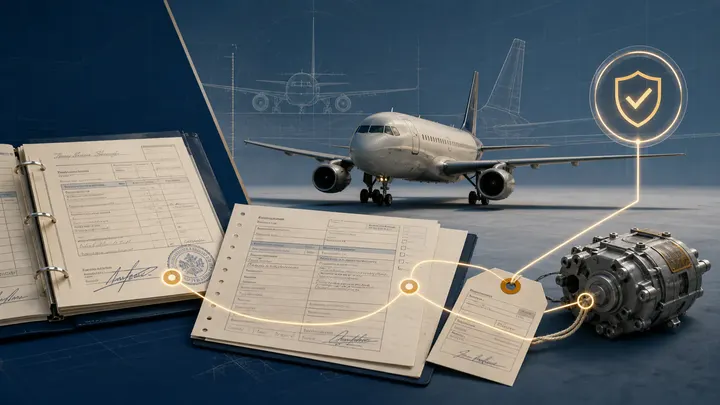
Aircraft Valuation: What Determines Market Value editorial illustration

Aircraft valuation estimates what a specific aircraft would sell for on a stated date and under stated assumptions. A useful conclusion shows the comparable aircraft, subject-aircraft facts, adjustments, and remaining uncertainties so another reviewer can test the range.

Radar’s public aircraft valuation projection model helps explore value over time. This guide explains the diligence needed before any model input should be trusted.

The difference between price, value, and cost

  • Price is the amount a buyer and seller agree to exchange.
  • Market value is an opinion about the amount the aircraft should command under stated market conditions and assumptions.
  • Book value is an accounting measure and may not track current market value.
  • Replacement cost estimates the cost to acquire an equivalent capability.
  • Liquidation or orderly sale value applies different timing and sale-condition assumptions.
  • Ownership cost measures cash and economic burden over time.

State the purpose of the valuation first. Acquisition, lending, insurance, tax, financial reporting, portfolio monitoring, and distressed recovery may require different assumptions and levels of independence.

The aircraft valuation process

  1. Identify the asset. Confirm manufacturer, model, serial number, registration, engines, APU, propellers, and configuration.
  2. Set the valuation date and purpose. Markets move, and evidence must be relevant to the date.
  3. Normalize aircraft facts. Reconcile total time, cycles, maintenance status, programs, equipment, interior, paint, damage, and modifications.
  4. Collect market evidence. Find comparable listings, transactions, market commentary, supply, demand, and time-on-market signals.
  5. Adjust comparables. Account for age, hours, configuration, condition, maintenance exposure, location, and records.
  6. Reconcile methods. Explain which evidence received weight and why.
  7. Test scenarios. Show sensitivity to major maintenance, utilization, market change, and sale timing.
  8. Document limitations. Identify missing records, uncertain inputs, and conditions that could change the conclusion.

Core aircraft value drivers

Core aircraft value drivers
DriverWhy it mattersEvidence to review
Model and vintageEstablishes the broad market cohortSerial number, manufacture date, delivery configuration
Hours and cyclesIndicates utilization and component exposureAirframe and component records
Engine and APU statusMajor events can materially affect economicsTimes, cycles, shop visits, LLP status, program documents
Inspection statusNear-term work changes buyer cash needs and downtimeCurrent status report and source signoffs
ConfigurationAvionics, cabin, connectivity, mission equipment affect demandEquipment list, STCs, weight and balance
ConditionPaint, interior, corrosion, discrepancies, and care influence desirabilityPhysical inspection and work history
Damage and repairsScope and approval affect buyer perception and diligenceLog entries, Form 337, repair data, approvals
RecordsEvidence determines whether the story can be trustedComplete, legible, internally consistent source documents
MarketSupply, demand, financing, and operating economics shape clearing pricesCurrent and historical market evidence

Maintenance-adjusted value

Two otherwise comparable aircraft may have very different cash exposure. One may be fresh from an engine shop visit and major inspection; another may be approaching both. A useful valuation separates base market position from maintenance adjustments.

Review:

  • Remaining hours, cycles, and calendar time to material events.
  • Expected scope and cost, including access, removal, freight, and related work.
  • Program coverage and standing.
  • Life-limited-part remaining life and traceability.
  • Deferred discrepancies and known corrosion.
  • Compliance work tied to Airworthiness Directives or modifications.
  • Downtime and replacement-lift consequences.

Avoid treating every dollar of future maintenance as a dollar-for-dollar value adjustment. Markets may price events differently based on buyer preference, program coverage, timing, and the aircraft’s broader desirability. Explain the method used.

Engine programs and value

Program enrollment may improve predictability and buyer confidence, but the contract controls. Confirm enrollment, payment status, hourly rate, minimums, escalators, transfer rules, covered items, exclusions, and any deficit or buy-in.

An aircraft advertised as “fully enrolled” can still carry economic exposure. Obtain current program evidence and compare it with the engine records.

Damage history, repairs, and alterations

Damage does not have one automatic value adjustment. Review the event, structure affected, repair method, approving data, quality of documentation, repeat inspection requirements, market perception, and whether the configuration remains desirable.

Major alterations can add capability while narrowing the buyer pool. Confirm supporting approvals, instructions for continued airworthiness, wiring and equipment changes, weight and balance, and compatibility with future maintenance.

Radar’s pre-buy records review provides a structured diligence checklist for these questions.

Why records quality changes value

Records affect both factual confidence and transaction friction. A clean history can support times, status, configuration, and transfer. A disorganized or incomplete package forces the reviewer to spend more time and may leave important questions unanswered.

Records quality includes:

  • Completeness across airframe, engines, APU, propellers, and components.
  • Legibility and chronological continuity.
  • Consistency between summaries and original entries.
  • Traceability of life-limited parts.
  • Support for major repairs, alterations, and STCs.
  • Evidence for Airworthiness Directive and inspection status.
  • Preservation of signatures, certificate numbers, dates, and return-to-service language.

The FAA’s maintenance-record rule establishes retention and transfer requirements. Transaction diligence may seek additional historical evidence because market value depends on more than regulatory minimum retention.

Comparable aircraft: what “comparable” really means

A matching model is only the beginning. A comparable should be adjusted for:

  • Model variant and serial-number differences.
  • Year and delivery date.
  • Total time and cycle profile.
  • Engine/APU type, status, and programs.
  • Cabin layout, refurbishment, paint, avionics, and connectivity.
  • Inspection status and landing-gear timing.
  • Damage history and modifications.
  • Location, registration, taxes, and delivery condition.
  • Date of market observation.
  • Listing versus verified transaction evidence.

Do not average unmatched aircraft and call the result a valuation. Explain why each comparable belongs in the set and what adjustment bridges it to the subject aircraft.

Valuation for aircraft financing

Lenders use value to help determine advance rate, equity, and collateral monitoring. They may apply eligibility rules, concentration limits, or policy haircuts beyond a valuation conclusion.

A finance-ready valuation package should allow the credit team to trace:

  • Asset identity and ownership.
  • Accepted value and valuation date.
  • Market evidence and adjustments.
  • Maintenance and program assumptions.
  • Records exceptions.
  • Inspection findings.
  • Title and lien status.
  • Insurance and operating profile.

Read the full aircraft financing guide for the parallel borrower and collateral workstreams.

Monitoring value after closing

An annual point estimate can miss changes between reviews. Value monitoring should watch aircraft utilization, maintenance events, program standing, damage, configuration, market supply, and covenant thresholds.

For a loan portfolio, Radar’s aircraft collateral monitoring connects current value to the evidence that can change recovery outcomes.

A valuation evidence checklist

  • Confirm the exact serial number and equipment.
  • Reconcile airframe, engine, APU, and component times.
  • Verify inspection and life-limited-part status.
  • Review program contracts and standing.
  • Identify repairs, damage, corrosion, and major alterations.
  • Inspect configuration, cabin, paint, avionics, and connectivity.
  • Build a relevant comparable set.
  • Separate listings from verified transactions.
  • State valuation date, purpose, assumptions, and limitations.
  • Model material maintenance and market sensitivities.
  • Preserve source evidence for every major adjustment.

Sources and further reading

Common questions

Frequently asked questions

What is an aircraft valuation?

An aircraft valuation estimates market value as of a stated date using defined assumptions, market evidence, and aircraft-specific facts. The intended use determines the required depth and formality.

How do maintenance records affect aircraft value?

Records support times, configuration, compliance, repairs, alterations, and maintenance status. Missing evidence increases uncertainty and may cause a buyer or lender to discount value or require additional work.

Is asking price the same as aircraft value?

No. Asking prices are signals, not completed transactions. A valuation should evaluate comparability, time on market, configuration, condition, maintenance status, and the difference between asking and transacted evidence.

Does Radar provide an appraisal?

Radar provides valuation intelligence and a public projection model. Whether a transaction requires a formal appraisal from a qualified appraiser is a lender, legal, accounting, or policy decision.

Make the aircraft history decision-ready

Turn aircraft paperwork into evidence you can use.

Radar digitizes, connects, and verifies the maintenance history behind buying, financing, operating, and selling an aircraft.


Your fleet's records at your fingertips.

Sign up, print a label, and search your first tail within days. Free.

Aircraft Valuation: What Determines Market Value

How market comparables, maintenance status, configuration, damage history, and records move the value of a specific aircraft.

Valuation 12 sections · 6 min read Reviewed July 26, 2026

In brief

Start with current comparable sales and listings, then adjust for this serial number’s configuration, engine and inspection status, programs, damage history, and records. The result should be a value range with the major adjustments and unknowns stated.

Tools for this decision

Run the numbers while you read.

See all aircraft tools
Aircraft Valuation: What Determines Market Value editorial illustration

Aircraft valuation estimates what a specific aircraft would sell for on a stated date and under stated assumptions. A useful conclusion shows the comparable aircraft, subject-aircraft facts, adjustments, and remaining uncertainties so another reviewer can test the range.

Radar’s public aircraft valuation projection model helps explore value over time. This guide explains the diligence needed before any model input should be trusted.

The difference between price, value, and cost

  • Price is the amount a buyer and seller agree to exchange.
  • Market value is an opinion about the amount the aircraft should command under stated market conditions and assumptions.
  • Book value is an accounting measure and may not track current market value.
  • Replacement cost estimates the cost to acquire an equivalent capability.
  • Liquidation or orderly sale value applies different timing and sale-condition assumptions.
  • Ownership cost measures cash and economic burden over time.

State the purpose of the valuation first. Acquisition, lending, insurance, tax, financial reporting, portfolio monitoring, and distressed recovery may require different assumptions and levels of independence.

The aircraft valuation process

  1. Identify the asset. Confirm manufacturer, model, serial number, registration, engines, APU, propellers, and configuration.
  2. Set the valuation date and purpose. Markets move, and evidence must be relevant to the date.
  3. Normalize aircraft facts. Reconcile total time, cycles, maintenance status, programs, equipment, interior, paint, damage, and modifications.
  4. Collect market evidence. Find comparable listings, transactions, market commentary, supply, demand, and time-on-market signals.
  5. Adjust comparables. Account for age, hours, configuration, condition, maintenance exposure, location, and records.
  6. Reconcile methods. Explain which evidence received weight and why.
  7. Test scenarios. Show sensitivity to major maintenance, utilization, market change, and sale timing.
  8. Document limitations. Identify missing records, uncertain inputs, and conditions that could change the conclusion.

Core aircraft value drivers

Core aircraft value drivers
DriverWhy it mattersEvidence to review
Model and vintageEstablishes the broad market cohortSerial number, manufacture date, delivery configuration
Hours and cyclesIndicates utilization and component exposureAirframe and component records
Engine and APU statusMajor events can materially affect economicsTimes, cycles, shop visits, LLP status, program documents
Inspection statusNear-term work changes buyer cash needs and downtimeCurrent status report and source signoffs
ConfigurationAvionics, cabin, connectivity, mission equipment affect demandEquipment list, STCs, weight and balance
ConditionPaint, interior, corrosion, discrepancies, and care influence desirabilityPhysical inspection and work history
Damage and repairsScope and approval affect buyer perception and diligenceLog entries, Form 337, repair data, approvals
RecordsEvidence determines whether the story can be trustedComplete, legible, internally consistent source documents
MarketSupply, demand, financing, and operating economics shape clearing pricesCurrent and historical market evidence

Maintenance-adjusted value

Two otherwise comparable aircraft may have very different cash exposure. One may be fresh from an engine shop visit and major inspection; another may be approaching both. A useful valuation separates base market position from maintenance adjustments.

Review:

  • Remaining hours, cycles, and calendar time to material events.
  • Expected scope and cost, including access, removal, freight, and related work.
  • Program coverage and standing.
  • Life-limited-part remaining life and traceability.
  • Deferred discrepancies and known corrosion.
  • Compliance work tied to Airworthiness Directives or modifications.
  • Downtime and replacement-lift consequences.

Avoid treating every dollar of future maintenance as a dollar-for-dollar value adjustment. Markets may price events differently based on buyer preference, program coverage, timing, and the aircraft’s broader desirability. Explain the method used.

Engine programs and value

Program enrollment may improve predictability and buyer confidence, but the contract controls. Confirm enrollment, payment status, hourly rate, minimums, escalators, transfer rules, covered items, exclusions, and any deficit or buy-in.

An aircraft advertised as “fully enrolled” can still carry economic exposure. Obtain current program evidence and compare it with the engine records.

Damage history, repairs, and alterations

Damage does not have one automatic value adjustment. Review the event, structure affected, repair method, approving data, quality of documentation, repeat inspection requirements, market perception, and whether the configuration remains desirable.

Major alterations can add capability while narrowing the buyer pool. Confirm supporting approvals, instructions for continued airworthiness, wiring and equipment changes, weight and balance, and compatibility with future maintenance.

Radar’s pre-buy records review provides a structured diligence checklist for these questions.

Why records quality changes value

Records affect both factual confidence and transaction friction. A clean history can support times, status, configuration, and transfer. A disorganized or incomplete package forces the reviewer to spend more time and may leave important questions unanswered.

Records quality includes:

  • Completeness across airframe, engines, APU, propellers, and components.
  • Legibility and chronological continuity.
  • Consistency between summaries and original entries.
  • Traceability of life-limited parts.
  • Support for major repairs, alterations, and STCs.
  • Evidence for Airworthiness Directive and inspection status.
  • Preservation of signatures, certificate numbers, dates, and return-to-service language.

The FAA’s maintenance-record rule establishes retention and transfer requirements. Transaction diligence may seek additional historical evidence because market value depends on more than regulatory minimum retention.

Comparable aircraft: what “comparable” really means

A matching model is only the beginning. A comparable should be adjusted for:

  • Model variant and serial-number differences.
  • Year and delivery date.
  • Total time and cycle profile.
  • Engine/APU type, status, and programs.
  • Cabin layout, refurbishment, paint, avionics, and connectivity.
  • Inspection status and landing-gear timing.
  • Damage history and modifications.
  • Location, registration, taxes, and delivery condition.
  • Date of market observation.
  • Listing versus verified transaction evidence.

Do not average unmatched aircraft and call the result a valuation. Explain why each comparable belongs in the set and what adjustment bridges it to the subject aircraft.

Valuation for aircraft financing

Lenders use value to help determine advance rate, equity, and collateral monitoring. They may apply eligibility rules, concentration limits, or policy haircuts beyond a valuation conclusion.

A finance-ready valuation package should allow the credit team to trace:

  • Asset identity and ownership.
  • Accepted value and valuation date.
  • Market evidence and adjustments.
  • Maintenance and program assumptions.
  • Records exceptions.
  • Inspection findings.
  • Title and lien status.
  • Insurance and operating profile.

Read the full aircraft financing guide for the parallel borrower and collateral workstreams.

Monitoring value after closing

An annual point estimate can miss changes between reviews. Value monitoring should watch aircraft utilization, maintenance events, program standing, damage, configuration, market supply, and covenant thresholds.

For a loan portfolio, Radar’s aircraft collateral monitoring connects current value to the evidence that can change recovery outcomes.

A valuation evidence checklist

  • Confirm the exact serial number and equipment.
  • Reconcile airframe, engine, APU, and component times.
  • Verify inspection and life-limited-part status.
  • Review program contracts and standing.
  • Identify repairs, damage, corrosion, and major alterations.
  • Inspect configuration, cabin, paint, avionics, and connectivity.
  • Build a relevant comparable set.
  • Separate listings from verified transactions.
  • State valuation date, purpose, assumptions, and limitations.
  • Model material maintenance and market sensitivities.
  • Preserve source evidence for every major adjustment.

Sources and further reading

Common questions

Frequently asked questions

What is an aircraft valuation?

An aircraft valuation estimates market value as of a stated date using defined assumptions, market evidence, and aircraft-specific facts. The intended use determines the required depth and formality.

How do maintenance records affect aircraft value?

Records support times, configuration, compliance, repairs, alterations, and maintenance status. Missing evidence increases uncertainty and may cause a buyer or lender to discount value or require additional work.

Is asking price the same as aircraft value?

No. Asking prices are signals, not completed transactions. A valuation should evaluate comparability, time on market, configuration, condition, maintenance status, and the difference between asking and transacted evidence.

Does Radar provide an appraisal?

Radar provides valuation intelligence and a public projection model. Whether a transaction requires a formal appraisal from a qualified appraiser is a lender, legal, accounting, or policy decision.

Make the aircraft history decision-ready

Turn aircraft paperwork into evidence you can use.

Radar digitizes, connects, and verifies the maintenance history behind buying, financing, operating, and selling an aircraft.

Your fleet's records at your fingertips.

Sign up, print a label, and search your first tail within days. Free.

Aircraft Valuation: What Determines Market Value

How market comparables, maintenance status, configuration, damage history, and records move the value of a specific aircraft.

Valuation 12 sections · 6 min read Reviewed July 26, 2026

In brief

Start with current comparable sales and listings, then adjust for this serial number’s configuration, engine and inspection status, programs, damage history, and records. The result should be a value range with the major adjustments and unknowns stated.

Tools for this decision

Run the numbers while you read.

See all aircraft tools
Aircraft Valuation: What Determines Market Value editorial illustration

Aircraft valuation estimates what a specific aircraft would sell for on a stated date and under stated assumptions. A useful conclusion shows the comparable aircraft, subject-aircraft facts, adjustments, and remaining uncertainties so another reviewer can test the range.

Radar’s public aircraft valuation projection model helps explore value over time. This guide explains the diligence needed before any model input should be trusted.

The difference between price, value, and cost

  • Price is the amount a buyer and seller agree to exchange.
  • Market value is an opinion about the amount the aircraft should command under stated market conditions and assumptions.
  • Book value is an accounting measure and may not track current market value.
  • Replacement cost estimates the cost to acquire an equivalent capability.
  • Liquidation or orderly sale value applies different timing and sale-condition assumptions.
  • Ownership cost measures cash and economic burden over time.

State the purpose of the valuation first. Acquisition, lending, insurance, tax, financial reporting, portfolio monitoring, and distressed recovery may require different assumptions and levels of independence.

The aircraft valuation process

  1. Identify the asset. Confirm manufacturer, model, serial number, registration, engines, APU, propellers, and configuration.
  2. Set the valuation date and purpose. Markets move, and evidence must be relevant to the date.
  3. Normalize aircraft facts. Reconcile total time, cycles, maintenance status, programs, equipment, interior, paint, damage, and modifications.
  4. Collect market evidence. Find comparable listings, transactions, market commentary, supply, demand, and time-on-market signals.
  5. Adjust comparables. Account for age, hours, configuration, condition, maintenance exposure, location, and records.
  6. Reconcile methods. Explain which evidence received weight and why.
  7. Test scenarios. Show sensitivity to major maintenance, utilization, market change, and sale timing.
  8. Document limitations. Identify missing records, uncertain inputs, and conditions that could change the conclusion.

Core aircraft value drivers

Core aircraft value drivers
DriverWhy it mattersEvidence to review
Model and vintageEstablishes the broad market cohortSerial number, manufacture date, delivery configuration
Hours and cyclesIndicates utilization and component exposureAirframe and component records
Engine and APU statusMajor events can materially affect economicsTimes, cycles, shop visits, LLP status, program documents
Inspection statusNear-term work changes buyer cash needs and downtimeCurrent status report and source signoffs
ConfigurationAvionics, cabin, connectivity, mission equipment affect demandEquipment list, STCs, weight and balance
ConditionPaint, interior, corrosion, discrepancies, and care influence desirabilityPhysical inspection and work history
Damage and repairsScope and approval affect buyer perception and diligenceLog entries, Form 337, repair data, approvals
RecordsEvidence determines whether the story can be trustedComplete, legible, internally consistent source documents
MarketSupply, demand, financing, and operating economics shape clearing pricesCurrent and historical market evidence

Maintenance-adjusted value

Two otherwise comparable aircraft may have very different cash exposure. One may be fresh from an engine shop visit and major inspection; another may be approaching both. A useful valuation separates base market position from maintenance adjustments.

Review:

  • Remaining hours, cycles, and calendar time to material events.
  • Expected scope and cost, including access, removal, freight, and related work.
  • Program coverage and standing.
  • Life-limited-part remaining life and traceability.
  • Deferred discrepancies and known corrosion.
  • Compliance work tied to Airworthiness Directives or modifications.
  • Downtime and replacement-lift consequences.

Avoid treating every dollar of future maintenance as a dollar-for-dollar value adjustment. Markets may price events differently based on buyer preference, program coverage, timing, and the aircraft’s broader desirability. Explain the method used.

Engine programs and value

Program enrollment may improve predictability and buyer confidence, but the contract controls. Confirm enrollment, payment status, hourly rate, minimums, escalators, transfer rules, covered items, exclusions, and any deficit or buy-in.

An aircraft advertised as “fully enrolled” can still carry economic exposure. Obtain current program evidence and compare it with the engine records.

Damage history, repairs, and alterations

Damage does not have one automatic value adjustment. Review the event, structure affected, repair method, approving data, quality of documentation, repeat inspection requirements, market perception, and whether the configuration remains desirable.

Major alterations can add capability while narrowing the buyer pool. Confirm supporting approvals, instructions for continued airworthiness, wiring and equipment changes, weight and balance, and compatibility with future maintenance.

Radar’s pre-buy records review provides a structured diligence checklist for these questions.

Why records quality changes value

Records affect both factual confidence and transaction friction. A clean history can support times, status, configuration, and transfer. A disorganized or incomplete package forces the reviewer to spend more time and may leave important questions unanswered.

Records quality includes:

  • Completeness across airframe, engines, APU, propellers, and components.
  • Legibility and chronological continuity.
  • Consistency between summaries and original entries.
  • Traceability of life-limited parts.
  • Support for major repairs, alterations, and STCs.
  • Evidence for Airworthiness Directive and inspection status.
  • Preservation of signatures, certificate numbers, dates, and return-to-service language.

The FAA’s maintenance-record rule establishes retention and transfer requirements. Transaction diligence may seek additional historical evidence because market value depends on more than regulatory minimum retention.

Comparable aircraft: what “comparable” really means

A matching model is only the beginning. A comparable should be adjusted for:

  • Model variant and serial-number differences.
  • Year and delivery date.
  • Total time and cycle profile.
  • Engine/APU type, status, and programs.
  • Cabin layout, refurbishment, paint, avionics, and connectivity.
  • Inspection status and landing-gear timing.
  • Damage history and modifications.
  • Location, registration, taxes, and delivery condition.
  • Date of market observation.
  • Listing versus verified transaction evidence.

Do not average unmatched aircraft and call the result a valuation. Explain why each comparable belongs in the set and what adjustment bridges it to the subject aircraft.

Valuation for aircraft financing

Lenders use value to help determine advance rate, equity, and collateral monitoring. They may apply eligibility rules, concentration limits, or policy haircuts beyond a valuation conclusion.

A finance-ready valuation package should allow the credit team to trace:

  • Asset identity and ownership.
  • Accepted value and valuation date.
  • Market evidence and adjustments.
  • Maintenance and program assumptions.
  • Records exceptions.
  • Inspection findings.
  • Title and lien status.
  • Insurance and operating profile.

Read the full aircraft financing guide for the parallel borrower and collateral workstreams.

Monitoring value after closing

An annual point estimate can miss changes between reviews. Value monitoring should watch aircraft utilization, maintenance events, program standing, damage, configuration, market supply, and covenant thresholds.

For a loan portfolio, Radar’s aircraft collateral monitoring connects current value to the evidence that can change recovery outcomes.

A valuation evidence checklist

  • Confirm the exact serial number and equipment.
  • Reconcile airframe, engine, APU, and component times.
  • Verify inspection and life-limited-part status.
  • Review program contracts and standing.
  • Identify repairs, damage, corrosion, and major alterations.
  • Inspect configuration, cabin, paint, avionics, and connectivity.
  • Build a relevant comparable set.
  • Separate listings from verified transactions.
  • State valuation date, purpose, assumptions, and limitations.
  • Model material maintenance and market sensitivities.
  • Preserve source evidence for every major adjustment.

Sources and further reading

Common questions

Frequently asked questions

What is an aircraft valuation?

An aircraft valuation estimates market value as of a stated date using defined assumptions, market evidence, and aircraft-specific facts. The intended use determines the required depth and formality.

How do maintenance records affect aircraft value?

Records support times, configuration, compliance, repairs, alterations, and maintenance status. Missing evidence increases uncertainty and may cause a buyer or lender to discount value or require additional work.

Is asking price the same as aircraft value?

No. Asking prices are signals, not completed transactions. A valuation should evaluate comparability, time on market, configuration, condition, maintenance status, and the difference between asking and transacted evidence.

Does Radar provide an appraisal?

Radar provides valuation intelligence and a public projection model. Whether a transaction requires a formal appraisal from a qualified appraiser is a lender, legal, accounting, or policy decision.

Make the aircraft history decision-ready

Turn aircraft paperwork into evidence you can use.

Radar digitizes, connects, and verifies the maintenance history behind buying, financing, operating, and selling an aircraft.

Your fleet's records at your fingertips.

Sign up, print a label, and search your first tail within days. Free.