Aircraft Ownership Costs: The Complete Budget

A practical framework for estimating what an aircraft costs to acquire, operate, maintain, finance, and eventually sell.

Ownership economics 13 sections · 6 min read Reviewed July 26, 2026

In brief

The true cost of aircraft ownership is the sum of capital, fixed operating costs, variable trip costs, scheduled and unscheduled maintenance, downtime, and value change. A reliable budget models calendar and hourly events separately and ties major assumptions to the aircraft’s actual records.

Tools for this decision

Run the numbers while you read.

See all aircraft tools
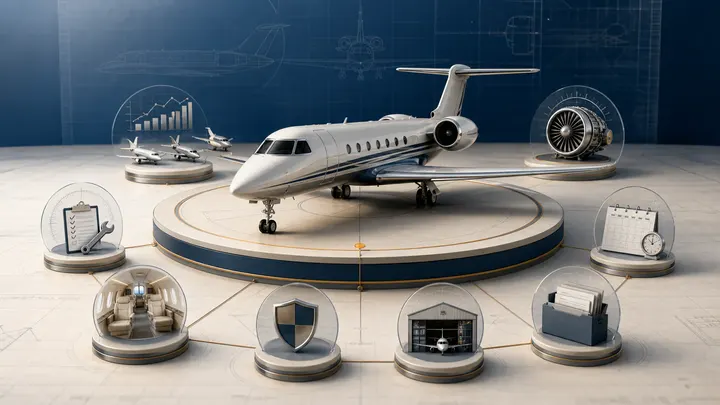
Aircraft Ownership Costs: The Complete Budget editorial illustration

Aircraft ownership budgets often fail in one of two ways. They focus on the purchase payment while underestimating operations, or they quote a cost per hour without showing the fixed costs and utilization assumption behind it.

A better model begins with the exact aircraft, not a fleet average. Serial number, configuration, location, mission, annual hours, cycles, crew model, maintenance status, program enrollment, and records quality all matter.

The seven layers of aircraft ownership cost

The seven layers of aircraft ownership cost
Cost layerExamplesPrimary driver
AcquisitionPurchase price, tax, legal, escrow, inspection, deliveryTransaction and jurisdiction
CapitalInterest, principal, equity opportunity cost, feesFinancing structure
Fixed operationsHangar, crew, training, subscriptions, managementCalendar time and operating model
Variable operationsFuel, handling, landing, navigation, cateringHours, cycles, routes, airports
MaintenanceInspections, components, engines, APU, discrepanciesCalendar, hours, cycles, condition
DowntimeReplacement lift, lost trips, positioning, schedule disruptionReliability and maintenance planning
Value changeDepreciation, market movement, configuration, recordsTime, market, condition, provenance

Keep these layers visible. Combining everything into one hourly number makes it difficult to see which assumptions changed.

Acquisition and closing costs

The purchase price is only the opening cash requirement. Depending on the transaction, buyers may also face:

  • Pre-buy inspection and records review.
  • Corrective work negotiated after inspection.
  • Title, escrow, registration, legal, and entity costs.
  • Sales, use, property, or other taxes.
  • Import, export, ferry, or delivery expense.
  • Initial training, insurance, subscriptions, and program enrollment.
  • Cabin, paint, avionics, connectivity, or configuration work.
  • Immediate spares and ground-support needs.

Use aviation counsel and tax advisors for ownership and jurisdiction decisions. A seemingly inexpensive structure can create operational or compliance problems if it does not match how the aircraft will actually be used.

Financing and cost of capital

For a financed aircraft, separate principal from economic cost. Principal repayment builds equity; interest and financing fees are costs. The equity contribution also has an opportunity cost because that capital cannot be used elsewhere.

Use the aircraft loan calculator to model payment and balloon mechanics. Then add lender fees, third-party diligence, reserves, and any covenant-driven expenses.

Key financing sensitivities include:

  • A lower accepted value than purchase price.
  • A higher rate at closing or a floating-rate reset.
  • Shorter amortization.
  • A balloon that requires refinancing in a weaker market.
  • A paydown covenant triggered by declining collateral value.

Fixed annual operating costs

Fixed costs accrue even when the aircraft does not fly. They may include:

  • Salaries, payroll costs, benefits, and contractor retainers.
  • Recurrent training and medical or qualification expenses.
  • Hangar, office, and parking.
  • Insurance and deductibles.
  • Management, accounting, legal, and regulatory support.
  • Navigation databases, charts, software, connectivity, and subscriptions.
  • Cleaning, detailing, and routine ground care.
  • Calendar-driven inspections and component replacement.

Because fixed costs are spread over annual flight hours, an unrealistic utilization forecast can distort the apparent cost per hour.

Variable trip and flight-hour costs

Variable costs rise with utilization but not always in a straight line.

Fuel

Estimate fuel by phase of flight, trip length, payload, weather, altitude, and airport. A simple planning formula is:

estimated fuel cost = planned gallons × delivered fuel price

Include positioning legs and avoid assuming every gallon is purchased at the lowest home-base price. Contract fuel programs, minimum uplifts, taxes, and fees affect delivered cost.

Trip expenses

Handling, landing, parking, navigation, deicing, catering, ground transportation, and crew travel can vary sharply by airport and route. International flying adds permits, overflight, customs, and support costs.

Cycles versus hours

Short sectors produce more cycles for the same flight hours. Landing gear, pressurization, engine starts, and cycle-limited components may make a high-cycle mission more expensive than an hourly model suggests.

Scheduled maintenance and reserves

Build a forward maintenance calendar from the current status of the exact aircraft. Include:

  • Hourly, cycle, and calendar inspections.
  • Engine and APU events.
  • Landing gear overhaul.
  • Life-limited parts and time-controlled components.
  • Airworthiness Directive and mandatory requirement exposure.
  • Paint, interior, avionics, batteries, emergency equipment, and corrosion inspections.
  • Program payments, minimums, escalators, exclusions, and reconciliation.

For each material event, track estimated date, remaining hours or cycles, expected downtime, budget, source record, and confidence level. Radar’s aircraft maintenance records guide explains the evidence needed to support those inputs.

Unscheduled maintenance and downtime

No budget can predict every discrepancy. Use a contingency informed by aircraft age, recent reliability, parts availability, maintenance location, and mission criticality.

Downtime has its own cost:

  • Charter or replacement lift.
  • Lost revenue or missed travel.
  • Crew, hangar, and financing costs that continue while grounded.
  • Positioning and mobile-repair expense.
  • Parts expedite and overtime.

The cheapest repair estimate is not always the lowest total-cost decision if it creates substantially longer downtime.

Maintenance programs: model the contract, not the label

Engine and component programs can improve predictability and marketability, but coverage varies. Review:

  • Which engines, modules, components, labor, and life-limited parts are covered.
  • Hourly rate, minimum utilization, escalators, and payment status.
  • Enrollment condition and any catch-up payment.
  • Exclusions, deductibles, geographic limits, and event definitions.
  • Transferability to a buyer.
  • Effect of early removal, foreign-object damage, corrosion, or non-program work.

Confirm standing directly and reconcile it to the records. “On program” is not a complete economic assumption.

Depreciation, market value, and exit cost

Ownership cost includes the difference between the aircraft’s value when acquired and its net value when sold. That change reflects market conditions, age, hours, configuration, maintenance status, damage history, and record quality.

A disciplined aircraft valuation model should show:

  • Current market evidence and comparables.
  • Time and utilization assumptions.
  • Major maintenance events before the forecast sale.
  • Configuration or upgrade spending.
  • Selling costs and expected downtime.
  • Scenario ranges, not a single unsupported point.

Radar’s aircraft valuation projection model can turn those assumptions into comparable base, downside, and exit-value scenarios.

Build a three-scenario ownership model

  1. Base case: realistic annual hours, expected maintenance, and current financing assumptions.
  2. Stress case: higher fuel and rate, lower utilization, a major unscheduled event, and softer sale value.
  3. Upside case: stronger utilization, controlled maintenance, and favorable disposition timing.

For each case, show annual cash flow, cost per hour, peak cash requirement, major event timing, and ending value. The stress case should be survivable without assuming an automatic refinance or immediate sale.

Records that make the budget defensible

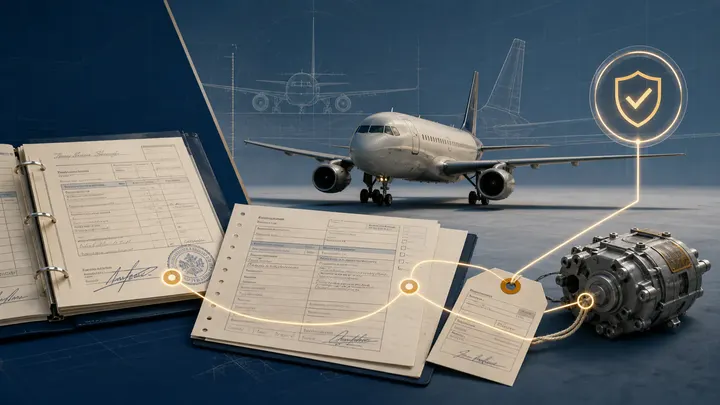
The best cost model is traceable. Connect inspection status, component times, engine program standing, repairs, and modification assumptions to original records. If a figure is inferred, label it as an estimate and show what would confirm it.

Radar converts scanned logbooks and work orders into searchable aircraft history while preserving the source page. This lets finance, maintenance, and leadership work from the same evidence instead of separate spreadsheets.

Ownership-cost checklist

  • Define mission, routes, payload, annual hours, and cycles.
  • Confirm exact serial number, configuration, and operating rules.
  • Model acquisition and closing cash separately.
  • Model financing payment, balloon, and rate sensitivity.
  • Separate fixed, hourly, cycle, and calendar costs.
  • Build maintenance events from current records.
  • Verify program coverage and account standing.
  • Include downtime and replacement lift.
  • Model taxes with qualified advisors.
  • Forecast value and selling costs under multiple scenarios.
  • Update actuals against budget at least quarterly.

Sources and further reading

Common questions

Frequently asked questions

What are the largest aircraft ownership costs?

The mix varies by aircraft and use, but capital cost, depreciation, crew, maintenance, fuel, insurance, and hangar commonly drive the budget. Major engine or inspection events can dominate a particular year.

How do I estimate aircraft cost per hour?

Add annual fixed costs, annualized capital and reserves, and projected variable costs, then divide by realistic annual flight hours. Show fixed and variable components separately because utilization changes the result.

Should maintenance reserves be included if the aircraft is on a program?

Yes. Program coverage, exclusions, escalators, minimums, enrollment status, and uncovered components should be modeled. A program payment is not proof that every future maintenance cost is covered.

How do records affect ownership cost?

Records establish maintenance status and remaining life. Missing or inconsistent evidence can conceal near-term work, complicate compliance, increase diligence cost, and reduce resale value.

Make the aircraft history decision-ready

Turn aircraft paperwork into evidence you can use.

Radar digitizes, connects, and verifies the maintenance history behind buying, financing, operating, and selling an aircraft.

Your fleet's records at your fingertips.

Sign up, print a label, and search your first tail within days. Free.

Aircraft Ownership Costs: The Complete Budget

A practical framework for estimating what an aircraft costs to acquire, operate, maintain, finance, and eventually sell.

Ownership economics 13 sections · 6 min read Reviewed July 26, 2026

In brief

The true cost of aircraft ownership is the sum of capital, fixed operating costs, variable trip costs, scheduled and unscheduled maintenance, downtime, and value change. A reliable budget models calendar and hourly events separately and ties major assumptions to the aircraft’s actual records.

Tools for this decision

Run the numbers while you read.

See all aircraft tools
Aircraft Ownership Costs: The Complete Budget editorial illustration

Aircraft ownership budgets often fail in one of two ways. They focus on the purchase payment while underestimating operations, or they quote a cost per hour without showing the fixed costs and utilization assumption behind it.

A better model begins with the exact aircraft, not a fleet average. Serial number, configuration, location, mission, annual hours, cycles, crew model, maintenance status, program enrollment, and records quality all matter.

The seven layers of aircraft ownership cost

The seven layers of aircraft ownership cost
Cost layerExamplesPrimary driver
AcquisitionPurchase price, tax, legal, escrow, inspection, deliveryTransaction and jurisdiction
CapitalInterest, principal, equity opportunity cost, feesFinancing structure
Fixed operationsHangar, crew, training, subscriptions, managementCalendar time and operating model
Variable operationsFuel, handling, landing, navigation, cateringHours, cycles, routes, airports
MaintenanceInspections, components, engines, APU, discrepanciesCalendar, hours, cycles, condition
DowntimeReplacement lift, lost trips, positioning, schedule disruptionReliability and maintenance planning
Value changeDepreciation, market movement, configuration, recordsTime, market, condition, provenance

Keep these layers visible. Combining everything into one hourly number makes it difficult to see which assumptions changed.

Acquisition and closing costs

The purchase price is only the opening cash requirement. Depending on the transaction, buyers may also face:

  • Pre-buy inspection and records review.
  • Corrective work negotiated after inspection.
  • Title, escrow, registration, legal, and entity costs.
  • Sales, use, property, or other taxes.
  • Import, export, ferry, or delivery expense.
  • Initial training, insurance, subscriptions, and program enrollment.
  • Cabin, paint, avionics, connectivity, or configuration work.
  • Immediate spares and ground-support needs.

Use aviation counsel and tax advisors for ownership and jurisdiction decisions. A seemingly inexpensive structure can create operational or compliance problems if it does not match how the aircraft will actually be used.

Financing and cost of capital

For a financed aircraft, separate principal from economic cost. Principal repayment builds equity; interest and financing fees are costs. The equity contribution also has an opportunity cost because that capital cannot be used elsewhere.

Use the aircraft loan calculator to model payment and balloon mechanics. Then add lender fees, third-party diligence, reserves, and any covenant-driven expenses.

Key financing sensitivities include:

  • A lower accepted value than purchase price.
  • A higher rate at closing or a floating-rate reset.
  • Shorter amortization.
  • A balloon that requires refinancing in a weaker market.
  • A paydown covenant triggered by declining collateral value.

Fixed annual operating costs

Fixed costs accrue even when the aircraft does not fly. They may include:

  • Salaries, payroll costs, benefits, and contractor retainers.
  • Recurrent training and medical or qualification expenses.
  • Hangar, office, and parking.
  • Insurance and deductibles.
  • Management, accounting, legal, and regulatory support.
  • Navigation databases, charts, software, connectivity, and subscriptions.
  • Cleaning, detailing, and routine ground care.
  • Calendar-driven inspections and component replacement.

Because fixed costs are spread over annual flight hours, an unrealistic utilization forecast can distort the apparent cost per hour.

Variable trip and flight-hour costs

Variable costs rise with utilization but not always in a straight line.

Fuel

Estimate fuel by phase of flight, trip length, payload, weather, altitude, and airport. A simple planning formula is:

estimated fuel cost = planned gallons × delivered fuel price

Include positioning legs and avoid assuming every gallon is purchased at the lowest home-base price. Contract fuel programs, minimum uplifts, taxes, and fees affect delivered cost.

Trip expenses

Handling, landing, parking, navigation, deicing, catering, ground transportation, and crew travel can vary sharply by airport and route. International flying adds permits, overflight, customs, and support costs.

Cycles versus hours

Short sectors produce more cycles for the same flight hours. Landing gear, pressurization, engine starts, and cycle-limited components may make a high-cycle mission more expensive than an hourly model suggests.

Scheduled maintenance and reserves

Build a forward maintenance calendar from the current status of the exact aircraft. Include:

  • Hourly, cycle, and calendar inspections.
  • Engine and APU events.
  • Landing gear overhaul.
  • Life-limited parts and time-controlled components.
  • Airworthiness Directive and mandatory requirement exposure.
  • Paint, interior, avionics, batteries, emergency equipment, and corrosion inspections.
  • Program payments, minimums, escalators, exclusions, and reconciliation.

For each material event, track estimated date, remaining hours or cycles, expected downtime, budget, source record, and confidence level. Radar’s aircraft maintenance records guide explains the evidence needed to support those inputs.

Unscheduled maintenance and downtime

No budget can predict every discrepancy. Use a contingency informed by aircraft age, recent reliability, parts availability, maintenance location, and mission criticality.

Downtime has its own cost:

  • Charter or replacement lift.
  • Lost revenue or missed travel.
  • Crew, hangar, and financing costs that continue while grounded.
  • Positioning and mobile-repair expense.
  • Parts expedite and overtime.

The cheapest repair estimate is not always the lowest total-cost decision if it creates substantially longer downtime.

Maintenance programs: model the contract, not the label

Engine and component programs can improve predictability and marketability, but coverage varies. Review:

  • Which engines, modules, components, labor, and life-limited parts are covered.
  • Hourly rate, minimum utilization, escalators, and payment status.
  • Enrollment condition and any catch-up payment.
  • Exclusions, deductibles, geographic limits, and event definitions.
  • Transferability to a buyer.
  • Effect of early removal, foreign-object damage, corrosion, or non-program work.

Confirm standing directly and reconcile it to the records. “On program” is not a complete economic assumption.

Depreciation, market value, and exit cost

Ownership cost includes the difference between the aircraft’s value when acquired and its net value when sold. That change reflects market conditions, age, hours, configuration, maintenance status, damage history, and record quality.

A disciplined aircraft valuation model should show:

  • Current market evidence and comparables.
  • Time and utilization assumptions.
  • Major maintenance events before the forecast sale.
  • Configuration or upgrade spending.
  • Selling costs and expected downtime.
  • Scenario ranges, not a single unsupported point.

Radar’s aircraft valuation projection model can turn those assumptions into comparable base, downside, and exit-value scenarios.

Build a three-scenario ownership model

  1. Base case: realistic annual hours, expected maintenance, and current financing assumptions.
  2. Stress case: higher fuel and rate, lower utilization, a major unscheduled event, and softer sale value.
  3. Upside case: stronger utilization, controlled maintenance, and favorable disposition timing.

For each case, show annual cash flow, cost per hour, peak cash requirement, major event timing, and ending value. The stress case should be survivable without assuming an automatic refinance or immediate sale.

Records that make the budget defensible

The best cost model is traceable. Connect inspection status, component times, engine program standing, repairs, and modification assumptions to original records. If a figure is inferred, label it as an estimate and show what would confirm it.

Radar converts scanned logbooks and work orders into searchable aircraft history while preserving the source page. This lets finance, maintenance, and leadership work from the same evidence instead of separate spreadsheets.

Ownership-cost checklist

  • Define mission, routes, payload, annual hours, and cycles.
  • Confirm exact serial number, configuration, and operating rules.
  • Model acquisition and closing cash separately.
  • Model financing payment, balloon, and rate sensitivity.
  • Separate fixed, hourly, cycle, and calendar costs.
  • Build maintenance events from current records.
  • Verify program coverage and account standing.
  • Include downtime and replacement lift.
  • Model taxes with qualified advisors.
  • Forecast value and selling costs under multiple scenarios.
  • Update actuals against budget at least quarterly.

Sources and further reading

Common questions

Frequently asked questions

What are the largest aircraft ownership costs?

The mix varies by aircraft and use, but capital cost, depreciation, crew, maintenance, fuel, insurance, and hangar commonly drive the budget. Major engine or inspection events can dominate a particular year.

How do I estimate aircraft cost per hour?

Add annual fixed costs, annualized capital and reserves, and projected variable costs, then divide by realistic annual flight hours. Show fixed and variable components separately because utilization changes the result.

Should maintenance reserves be included if the aircraft is on a program?

Yes. Program coverage, exclusions, escalators, minimums, enrollment status, and uncovered components should be modeled. A program payment is not proof that every future maintenance cost is covered.

How do records affect ownership cost?

Records establish maintenance status and remaining life. Missing or inconsistent evidence can conceal near-term work, complicate compliance, increase diligence cost, and reduce resale value.

Make the aircraft history decision-ready

Turn aircraft paperwork into evidence you can use.

Radar digitizes, connects, and verifies the maintenance history behind buying, financing, operating, and selling an aircraft.

Your fleet's records at your fingertips.

Sign up, print a label, and search your first tail within days. Free.

Aircraft Ownership Costs: The Complete Budget

A practical framework for estimating what an aircraft costs to acquire, operate, maintain, finance, and eventually sell.

Ownership economics 13 sections · 6 min read Reviewed July 26, 2026

In brief

The true cost of aircraft ownership is the sum of capital, fixed operating costs, variable trip costs, scheduled and unscheduled maintenance, downtime, and value change. A reliable budget models calendar and hourly events separately and ties major assumptions to the aircraft’s actual records.

Tools for this decision

Run the numbers while you read.

See all aircraft tools
Aircraft Ownership Costs: The Complete Budget editorial illustration

Aircraft ownership budgets often fail in one of two ways. They focus on the purchase payment while underestimating operations, or they quote a cost per hour without showing the fixed costs and utilization assumption behind it.

A better model begins with the exact aircraft, not a fleet average. Serial number, configuration, location, mission, annual hours, cycles, crew model, maintenance status, program enrollment, and records quality all matter.

The seven layers of aircraft ownership cost

The seven layers of aircraft ownership cost
Cost layerExamplesPrimary driver
AcquisitionPurchase price, tax, legal, escrow, inspection, deliveryTransaction and jurisdiction
CapitalInterest, principal, equity opportunity cost, feesFinancing structure
Fixed operationsHangar, crew, training, subscriptions, managementCalendar time and operating model
Variable operationsFuel, handling, landing, navigation, cateringHours, cycles, routes, airports
MaintenanceInspections, components, engines, APU, discrepanciesCalendar, hours, cycles, condition
DowntimeReplacement lift, lost trips, positioning, schedule disruptionReliability and maintenance planning
Value changeDepreciation, market movement, configuration, recordsTime, market, condition, provenance

Keep these layers visible. Combining everything into one hourly number makes it difficult to see which assumptions changed.

Acquisition and closing costs

The purchase price is only the opening cash requirement. Depending on the transaction, buyers may also face:

  • Pre-buy inspection and records review.
  • Corrective work negotiated after inspection.
  • Title, escrow, registration, legal, and entity costs.
  • Sales, use, property, or other taxes.
  • Import, export, ferry, or delivery expense.
  • Initial training, insurance, subscriptions, and program enrollment.
  • Cabin, paint, avionics, connectivity, or configuration work.
  • Immediate spares and ground-support needs.

Use aviation counsel and tax advisors for ownership and jurisdiction decisions. A seemingly inexpensive structure can create operational or compliance problems if it does not match how the aircraft will actually be used.

Financing and cost of capital

For a financed aircraft, separate principal from economic cost. Principal repayment builds equity; interest and financing fees are costs. The equity contribution also has an opportunity cost because that capital cannot be used elsewhere.

Use the aircraft loan calculator to model payment and balloon mechanics. Then add lender fees, third-party diligence, reserves, and any covenant-driven expenses.

Key financing sensitivities include:

  • A lower accepted value than purchase price.
  • A higher rate at closing or a floating-rate reset.
  • Shorter amortization.
  • A balloon that requires refinancing in a weaker market.
  • A paydown covenant triggered by declining collateral value.

Fixed annual operating costs

Fixed costs accrue even when the aircraft does not fly. They may include:

  • Salaries, payroll costs, benefits, and contractor retainers.
  • Recurrent training and medical or qualification expenses.
  • Hangar, office, and parking.
  • Insurance and deductibles.
  • Management, accounting, legal, and regulatory support.
  • Navigation databases, charts, software, connectivity, and subscriptions.
  • Cleaning, detailing, and routine ground care.
  • Calendar-driven inspections and component replacement.

Because fixed costs are spread over annual flight hours, an unrealistic utilization forecast can distort the apparent cost per hour.

Variable trip and flight-hour costs

Variable costs rise with utilization but not always in a straight line.

Fuel

Estimate fuel by phase of flight, trip length, payload, weather, altitude, and airport. A simple planning formula is:

estimated fuel cost = planned gallons × delivered fuel price

Include positioning legs and avoid assuming every gallon is purchased at the lowest home-base price. Contract fuel programs, minimum uplifts, taxes, and fees affect delivered cost.

Trip expenses

Handling, landing, parking, navigation, deicing, catering, ground transportation, and crew travel can vary sharply by airport and route. International flying adds permits, overflight, customs, and support costs.

Cycles versus hours

Short sectors produce more cycles for the same flight hours. Landing gear, pressurization, engine starts, and cycle-limited components may make a high-cycle mission more expensive than an hourly model suggests.

Scheduled maintenance and reserves

Build a forward maintenance calendar from the current status of the exact aircraft. Include:

  • Hourly, cycle, and calendar inspections.
  • Engine and APU events.
  • Landing gear overhaul.
  • Life-limited parts and time-controlled components.
  • Airworthiness Directive and mandatory requirement exposure.
  • Paint, interior, avionics, batteries, emergency equipment, and corrosion inspections.
  • Program payments, minimums, escalators, exclusions, and reconciliation.

For each material event, track estimated date, remaining hours or cycles, expected downtime, budget, source record, and confidence level. Radar’s aircraft maintenance records guide explains the evidence needed to support those inputs.

Unscheduled maintenance and downtime

No budget can predict every discrepancy. Use a contingency informed by aircraft age, recent reliability, parts availability, maintenance location, and mission criticality.

Downtime has its own cost:

  • Charter or replacement lift.
  • Lost revenue or missed travel.
  • Crew, hangar, and financing costs that continue while grounded.
  • Positioning and mobile-repair expense.
  • Parts expedite and overtime.

The cheapest repair estimate is not always the lowest total-cost decision if it creates substantially longer downtime.

Maintenance programs: model the contract, not the label

Engine and component programs can improve predictability and marketability, but coverage varies. Review:

  • Which engines, modules, components, labor, and life-limited parts are covered.
  • Hourly rate, minimum utilization, escalators, and payment status.
  • Enrollment condition and any catch-up payment.
  • Exclusions, deductibles, geographic limits, and event definitions.
  • Transferability to a buyer.
  • Effect of early removal, foreign-object damage, corrosion, or non-program work.

Confirm standing directly and reconcile it to the records. “On program” is not a complete economic assumption.

Depreciation, market value, and exit cost

Ownership cost includes the difference between the aircraft’s value when acquired and its net value when sold. That change reflects market conditions, age, hours, configuration, maintenance status, damage history, and record quality.

A disciplined aircraft valuation model should show:

  • Current market evidence and comparables.
  • Time and utilization assumptions.
  • Major maintenance events before the forecast sale.
  • Configuration or upgrade spending.
  • Selling costs and expected downtime.
  • Scenario ranges, not a single unsupported point.

Radar’s aircraft valuation projection model can turn those assumptions into comparable base, downside, and exit-value scenarios.

Build a three-scenario ownership model

  1. Base case: realistic annual hours, expected maintenance, and current financing assumptions.
  2. Stress case: higher fuel and rate, lower utilization, a major unscheduled event, and softer sale value.
  3. Upside case: stronger utilization, controlled maintenance, and favorable disposition timing.

For each case, show annual cash flow, cost per hour, peak cash requirement, major event timing, and ending value. The stress case should be survivable without assuming an automatic refinance or immediate sale.

Records that make the budget defensible

The best cost model is traceable. Connect inspection status, component times, engine program standing, repairs, and modification assumptions to original records. If a figure is inferred, label it as an estimate and show what would confirm it.

Radar converts scanned logbooks and work orders into searchable aircraft history while preserving the source page. This lets finance, maintenance, and leadership work from the same evidence instead of separate spreadsheets.

Ownership-cost checklist

  • Define mission, routes, payload, annual hours, and cycles.
  • Confirm exact serial number, configuration, and operating rules.
  • Model acquisition and closing cash separately.
  • Model financing payment, balloon, and rate sensitivity.
  • Separate fixed, hourly, cycle, and calendar costs.
  • Build maintenance events from current records.
  • Verify program coverage and account standing.
  • Include downtime and replacement lift.
  • Model taxes with qualified advisors.
  • Forecast value and selling costs under multiple scenarios.
  • Update actuals against budget at least quarterly.

Sources and further reading

Common questions

Frequently asked questions

What are the largest aircraft ownership costs?

The mix varies by aircraft and use, but capital cost, depreciation, crew, maintenance, fuel, insurance, and hangar commonly drive the budget. Major engine or inspection events can dominate a particular year.

How do I estimate aircraft cost per hour?

Add annual fixed costs, annualized capital and reserves, and projected variable costs, then divide by realistic annual flight hours. Show fixed and variable components separately because utilization changes the result.

Should maintenance reserves be included if the aircraft is on a program?

Yes. Program coverage, exclusions, escalators, minimums, enrollment status, and uncovered components should be modeled. A program payment is not proof that every future maintenance cost is covered.

How do records affect ownership cost?

Records establish maintenance status and remaining life. Missing or inconsistent evidence can conceal near-term work, complicate compliance, increase diligence cost, and reduce resale value.

Make the aircraft history decision-ready

Turn aircraft paperwork into evidence you can use.

Radar digitizes, connects, and verifies the maintenance history behind buying, financing, operating, and selling an aircraft.
Your fleet's records at your fingertips.

Sign up, print a label, and search your first tail within days. Free.