
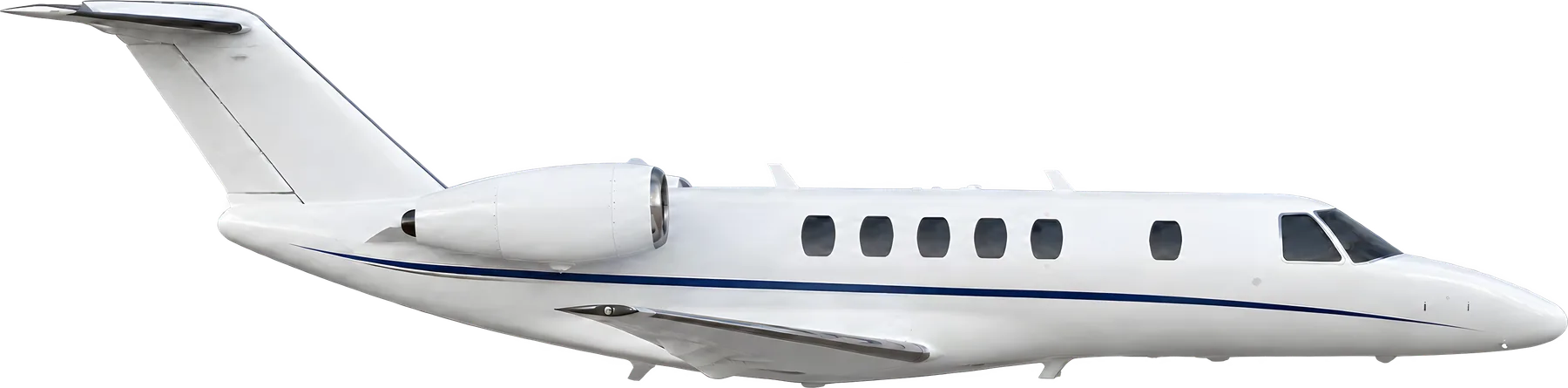
Cessna Citation CJ4 series airworthiness directives FAA ADs that may apply, with the official text
- In effect
- 3
- Recurring
- 0
- Superseded or removed0
- Latest2017-22-14
Cessna Citation CJ4 series: price, specs and every tail number · Look up ADs by N-number · AD burden by model, ranked
IN EFFECT
3 Citation CJ4 ADs in effect, newest first
Informational only. These are FAA airworthiness directives whose published applicability names this make and model. Whether an AD applies to a particular aircraft depends on its serial number, installed engines, propellers, parts and modifications, and some ADs listed here will not apply. This list is not the official AD record and not a compliance determination: confirm applicability and compliance against the FAA’s Dynamic Regulatory System and the aircraft’s records with a certificated mechanic or inspector. Covers ADs published in the Federal Register since 1995, through Oct 1, 2026; older ADs, and engine, propeller and appliance ADs that do not name the aircraft, are not included.
- AD 2017-22-14 One-time Appliance
Rockwell Collins, Inc. Traffic Surveillance System Processing Unit
This AD was prompted by five instances of air traffic control observing coasting (extrapolated stale data) automatic dependent surveillance-broadcast data (ADS-B position/velocity data) on a related Rockwell Collins, Inc. platform that shares a common architecture with the TSS-4100 Traffic Surveillance System Processing Units.
Applicability, as the AD words it
Rockwell Collins, Inc. TSSA-4100 Field Loadable Software (FLS) Rockwell Collins part numbers (RCPNs) 810-0052-002, -003, -010, - 011, -012, -100, or -101 found on TSS-4100 Traffic Surveillance System Processing Units, (RCPN) 822-2132-001 installed on airplanes. (1) The FLS RCPNs 810-0052-002, -003, -010, -011, -012, -100, or -101 found on TSS-4100 Traffic Surveillance System Processing Units are known to be installed on but not limited to the airplanes listed in paragraphs (c)(1)(i) through (14) of this AD and are certificated in any category. (i) Bombardier Challenger 300 (BD-100-1A10) (ii) Bombardier Challenger 350 (BD-100-1A10) (iii) Bombardier Challenger 650 (CL-600-2B16) (iv) Bombardier CRJ-700 (CL-600-2C10) (v) Bombardier CRJ-900 (CL-600-2D24) (vi) Bombardier CRJ-1000 (CL-600-2E25) (vii) Bombardier CS100 (BD-500-1A10) (viii) Bombardier CS300 (BD-500-1A11) (ix) Bombardier Global 5000 equipped with Global Vision Flight Deck (BD-700-1A11) (x) Bombardier Global 6000 (BD-700-1A10) (xi) Cessna Citation CJ4 (525C) (xii) Embraer Legacy (EMB-550) (xiii) Embraer Legacy 450 (EMB-545) (xiv) Gulfstream G280 (2) Earlier revision levels of the Rockwell Collins, Inc. service information and service information issued by airplane manufacturers before the effective date of this AD may have specified the installation of FLS with different FAA-approved part numbers than the part numbers listed in paragraph (c) of this AD. If, before December 20, 2017 (the effective date of this AD), a part number that is different than the TSSA-4100 RCPNs listed in paragraph (c) of this AD is installed on the airplane, this AD does not apply to that airplane.
- AD 2011-21-51 One-time
Cessna Aircraft Company Airplanes
This AD was prompted by a report of a battery fire that resulted after an energized ground power unit was connected to one of the affected airplanes equipped with a lithium-ion battery as the main aircraft battery.
Applicability, as the AD words it
This AD applies to Cessna Aircraft Company (Cessna) Model 525C airplanes, serial numbers 0001 through 0052, that: (1) Have a lithium-ion battery, Cessna part number (P/N) 9914788-1, installed as the main aircraft battery; and (2) are certificated in any category.
- AD 99-07-04 One-time Engine
Williams International, L.L.C. FJ44-1A Turbofan Engines
To prevent high pressure turbine (HPT) disk rim failure, which could result in an uncontained engine failure and damage to the aircraft.
Applicability, as the AD words it
Williams International, L.L.C. FJ44-1A turbofan engines, installed on but not limited to Cessna 525 series aircraft.
Radar reads the aircraft’s logbooks and ties each AD to the entries that show how and when it was complied with, with recurring ADs due by date and hours.
QUESTIONS
Citation CJ4 AD questions
Source: FAA final rules under 14 CFR part 39, from the Federal Register. The FAA’s Dynamic Regulatory System holds the official list.
How many airworthiness directives apply to the Citation CJ4?
3 FAA ADs published since 1995 name the Cessna Citation CJ4 series's type certificate model (525C) in their applicability. 3 are still in effect as far as the Federal Register shows; the others were superseded by a later AD or removed. How many apply to one aircraft depends on its serial number, equipment and modifications.
Which Citation CJ4 ADs are recurring?
None of the ADs in effect here reads as requiring repetitive actions. One-time ADs are complied with once, but the compliance record stays with the aircraft.
What is the latest Citation CJ4 airworthiness directive?
AD 2017-22-14, effective Dec 20, 2017: Rockwell Collins, Inc. Traffic Surveillance System Processing Unit. The list is refreshed from the Federal Register every weekday.
How do I know whether an AD applies to my Citation CJ4?
Read the AD's applicability paragraph, shown with each AD on this page, against the aircraft's serial number and its installed engines, propellers, parts and modifications. A certificated mechanic or inspector makes the determination and records the method of compliance in the maintenance records. The FAA's Dynamic Regulatory System holds the official list of ADs.
Why are engine and propeller ADs missing?
This page lists ADs whose applicability names the Cessna Citation CJ4 series airframe, plus appliance ADs that list it among the aircraft they can be installed on. Engine and propeller ADs name the engine or propeller model rather than the aircraft, so check them by the installed engine and propeller models.
Every AD on your Citation CJ4, tied to the logbook entry that closed it.
Radar reads every logbook page, typed or handwritten, and builds one searchable record per tail: times, inspections, ADs and components, each tied to the page it came from.